
AI, ETHICS, AND UX LEADERSHIP IN 2026
Over the past few months, I’ve been investing a lot of energy in one question: what does responsible, AI-augmented product design leadership look like in 2026?
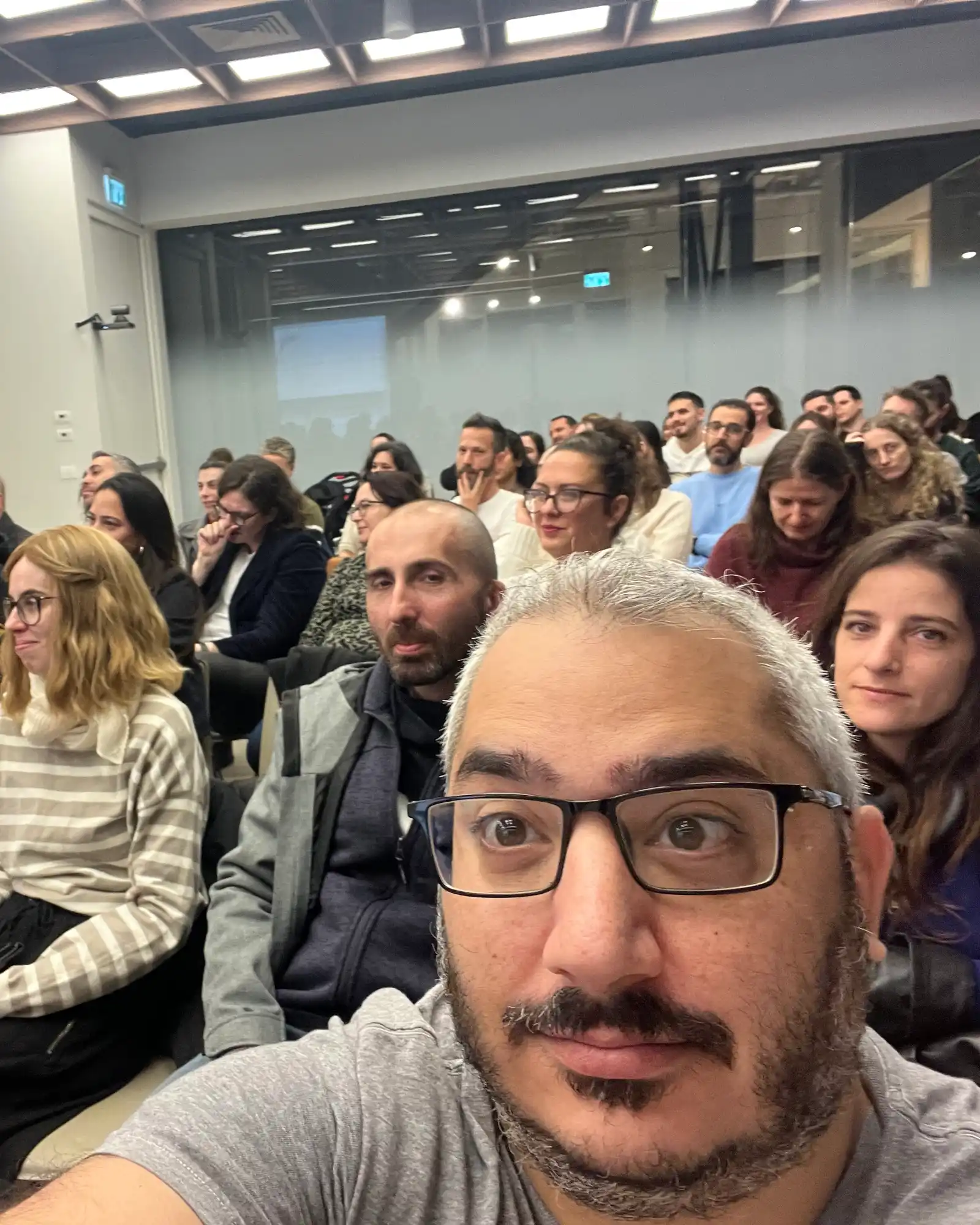
At the end of December, I had the privilege of joining the WE Women Experience Design forum meetup on “Ethics in AI and Design Innovation,” as one of the very few men in a room of 150+ incredible design leaders. Hearing Tzafit share how deep, real-world user interviews still cut through the AI noise was a powerful reminder that trust is built in conversation, not in dashboards.
Another highlight was Sivana's talk on AI bias and responsibility. She framed clearly how design leaders must understand where models inherit past discrimination, and how to actively design to reduce gaps and open opportunities for every segment of our user base, not just the “average” one.
Just last Thursday, I joined “UX: The End,” a sharp, thought-provoking session hosted by my friend Tal, looking at how recent AI developments are reshaping our craft, our teams, and our careers. The discussion about turning anxiety into a concrete work plan for our day-to-day practice really resonated with me, as someone who leads products end-to-end and needs to keep teams focused, not frozen.
I also keep thinking back to the panel Laura hosted in late July '25, “Building practical AI mindsets within organizations” In only five months, AI design tools have leaped forward, yet one theme stayed consistent across all these conversations: AI is not the enemy of designers; it’s a force we must learn to harness with a flexible, experimental mindset.
For design leaders and teams, this means:
- Treating AI as a collaborator — accelerating discovery, iteration, and insight, not replacing human judgment
- Keeping real users at the center — using interviews and field research to validate what AI suggests and to build long-term trust
- Actively designing against bias — so we don’t simply repackage past discrimination in shiny, AI-powered interfaces
As a full-stack design leader with experience building and mentoring teams, shipping complex products from 0→1 and beyond, and integrating AI into real-world workflows, I’m excited to keep this conversation going—locally and globally.
A few of the strongest lessons from these sessions are simple but uncomfortable: if we don’t actively fight bias, we help preserve it; if we don’t stay flexible, AI will outpace our relevance.
So here’s a question for design and product leaders: how are you actually reshaping your teams’ workflows to turn AI into a trusted collaborator rather than a black box or a threat?
And for those of you who joined these meetups or similar AI–design sessions over the past year: do you share this perspective, or did you walk away with a completely different takeaway you’d challenge here?
■ ■ ■ ■