
Nielsen Norman Group’s “State of UX 2026: Design Deeper to Differentiate” resonates perfectly with what I’m noticing in SaaS product design.
𝗧𝗟;𝗗𝗥: AI fatigue hits hard, UI loses power, UX must prove ROI, leadership demands strategic discernment.
Here’s how it’s echoing in my journey 👇
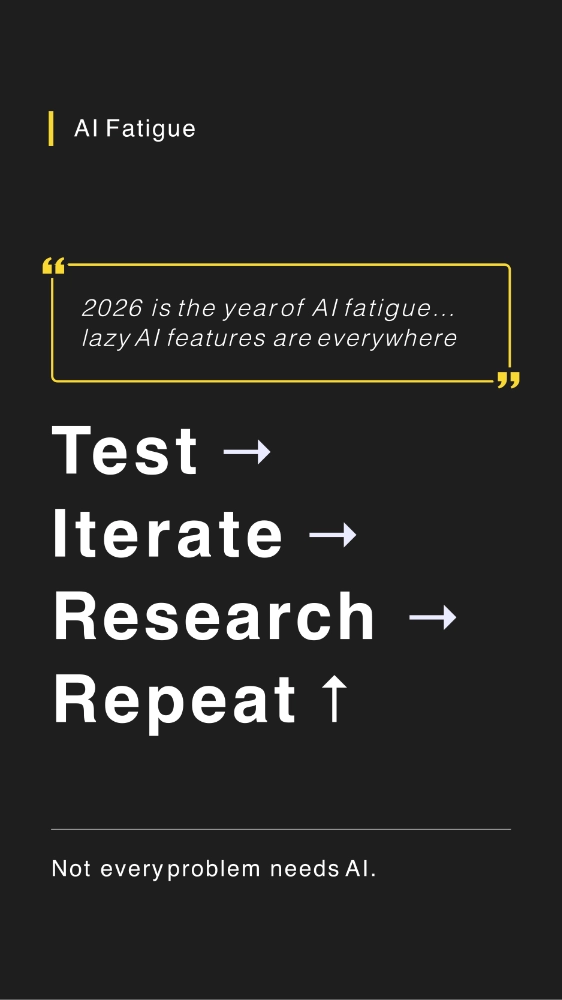
1️⃣ 2026: YEAR OF AI FATIGUE
2026 is the year of AI fatigue. Lazy AI features and “AI slop” are ubiquitous—the shine is fading fast.In recent years, I’ve seen countless “add an AI button/feature/wizard” initiatives creating more confusion than value for users.As a design leader, I always ask: What’s the specific user problem—and is AI the best solution?The way to get the answer? Test → iterate → test → research cycles. This data-driven approach advocates for real problem-solving over AI trends.
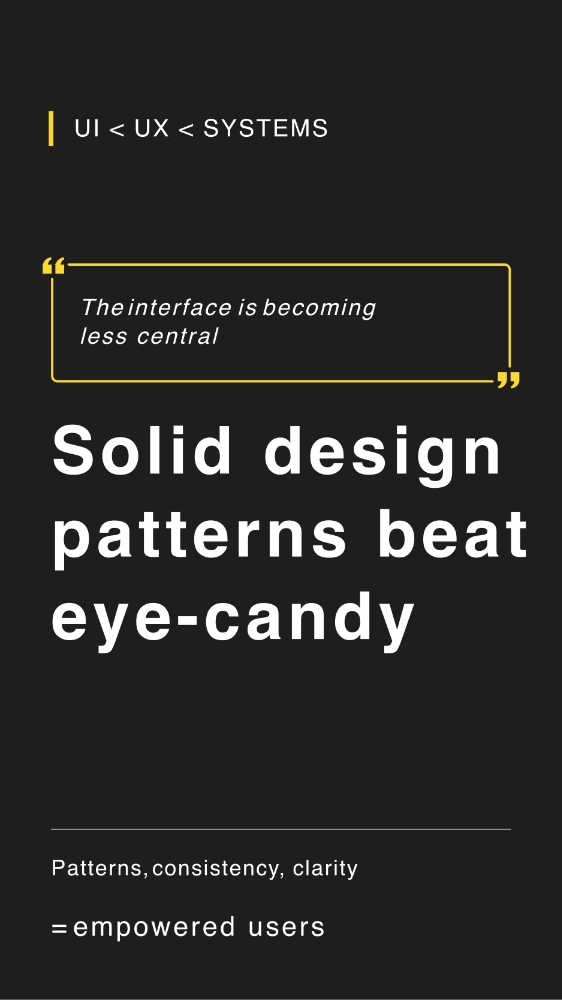
2️⃣ UI NO LONGER DIFFERENTIATES—SYSTEMS & FLOWS DO
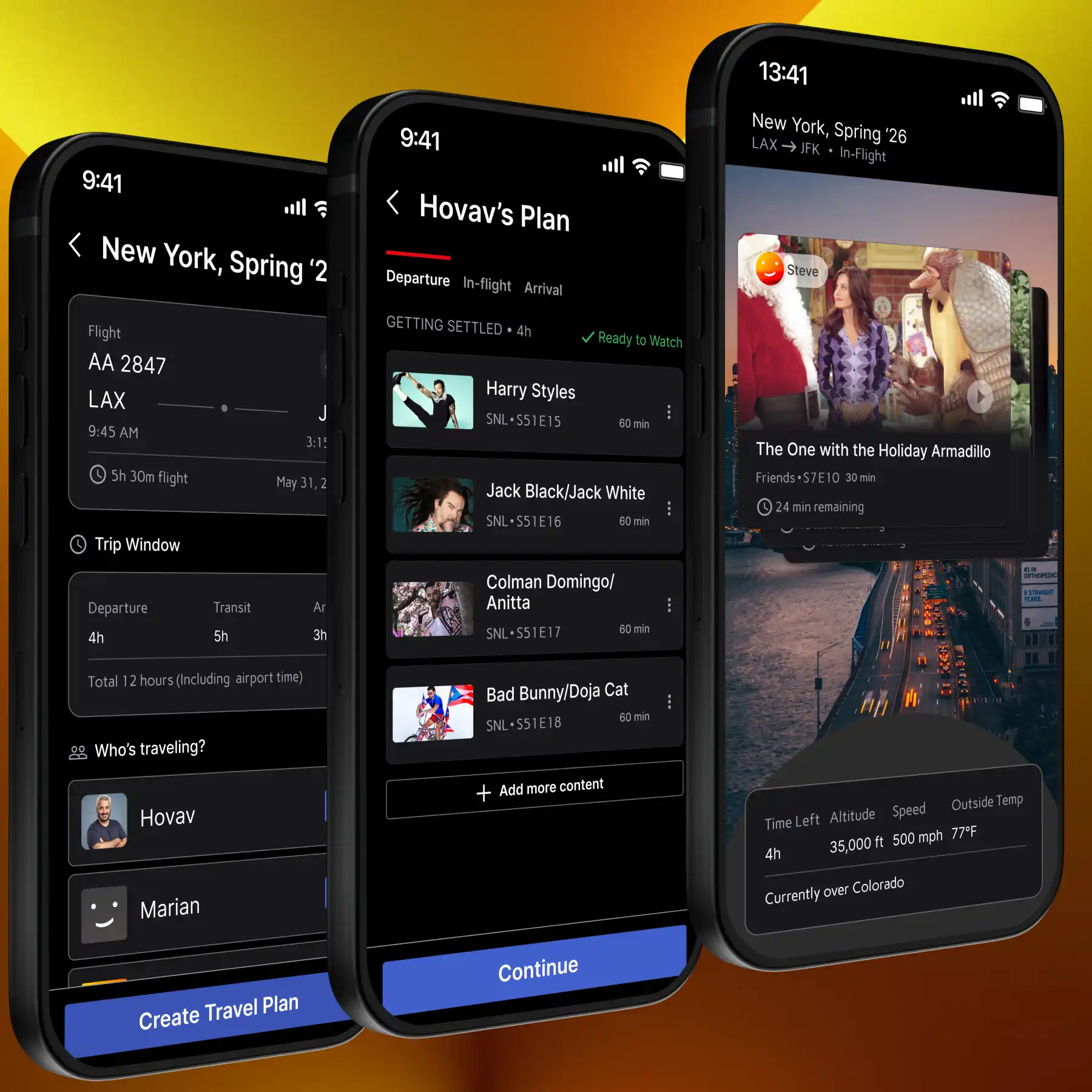
UI matters, but it’s becoming less of a differentiator. AI tools now mock interfaces quickly with high-end visuals—the focus shifts to user journeys.In B2B products (adtech, payments, analytics, cybersecurity), differentiation lives in the system: the what and mainly the how.At Nexxen, my team redesigned end-to-end campaign/reporting models so buyers launch/optimize faster with fewer errors.Key: Solid patterns tied to user journeys, etched into users’ minds. New flows? They hit the ground running.Patterns + consistency = trust.
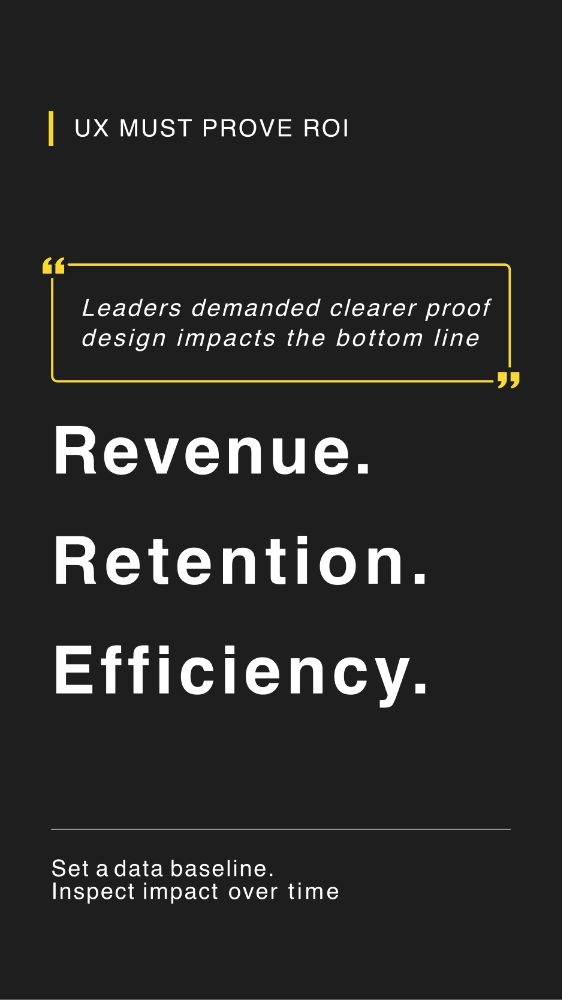
3️⃣ UX Must Speak Bottom-Line Language
Make-or-break for design leaders: Tie initiatives to revenue, retention, or efficiency—not just usability.Define metrics upfront with Product/BI. Set data baselines to show impact.I use analytics to baseline engagement, review post-launch. Result? Design joins strategic talks by moving real numbers.
4️⃣ 2026 Skills: Adaptability, Strategy, Discernment
Thriving practitioners are adaptable generalists treating UX as strategic problem-solving. • Say no to complex, low-value features. • Simplify deliverables for lean teams. • Bet big on roadmap-aligned improvements.This mindset—design thinking + data + judgment—builds usable, commercial products.
■ ■ ■ ■